featuring an update to Fleetwood Mac’s “Then Play On” and also black and silver Probe label 1st pressings of Zephyr (featuring future Deep Purple guitarist Tommy Bolin) and also Soft Machine’s “Volume 2” LP.
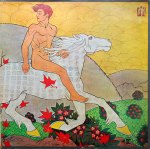
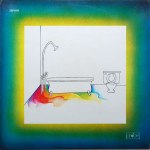


featuring an update to Fleetwood Mac’s “Then Play On” and also black and silver Probe label 1st pressings of Zephyr (featuring future Deep Purple guitarist Tommy Bolin) and also Soft Machine’s “Volume 2” LP.
This is how Black Sabbath’s second album would have looked if they’d stuck to their original intentions…

When you see the ‘correct’ title of “War Pigs” it makes so much more sense of Marcus Keef’s front cover concept. The pink-clad-warrior idea was obviously intended to reflect the album’s original title and is probably why “War Pigs” was also the first track on the album.
Recorded in June 1970 and released in September just a few months after their debut in February of that year, USA was still deeply ingrained in the Vietnam conflict and anti-war demonstrations were rife in America. Sabbath were due to tour for the first time in support of the debut and new album releases and the new album’s title was deemed to be too inflammatory. The album title was changed to “Paranoid” to coincide with the first single release.
The album went to No.1 in the…
View original post 64 more words

Marcus Keef is responsible for some of the most iconic and enigmatic album cover sleeves of the late 1960s and early 1970s, easily on the same level (if not better in some instances) than the highly esteemed Hipgnosis. So just who was he and what happened to him? Unlike Hipgnosis who continued designing sleeves up to the present day, why did Keef seemingly disappear altogether from the scene?
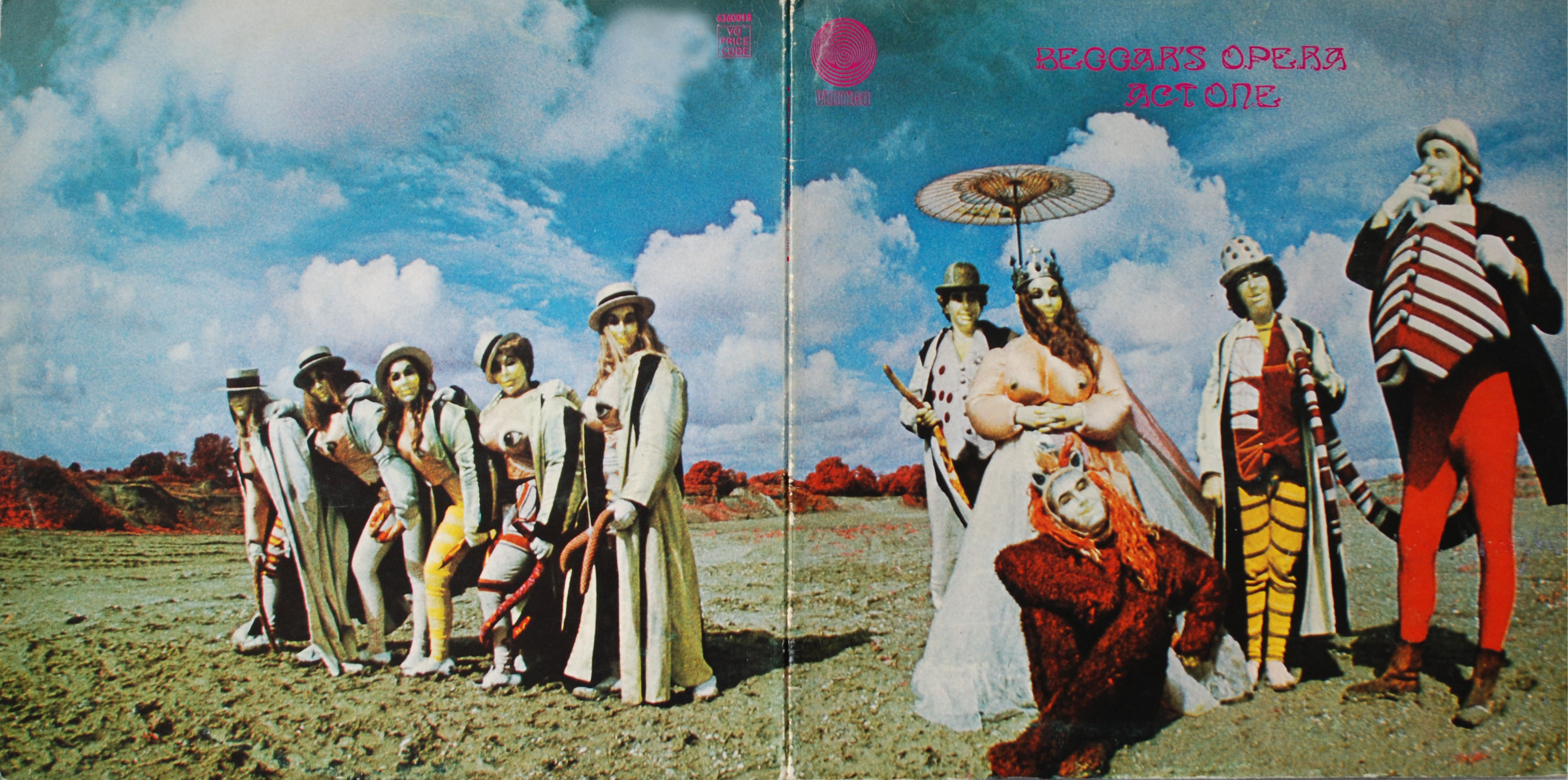
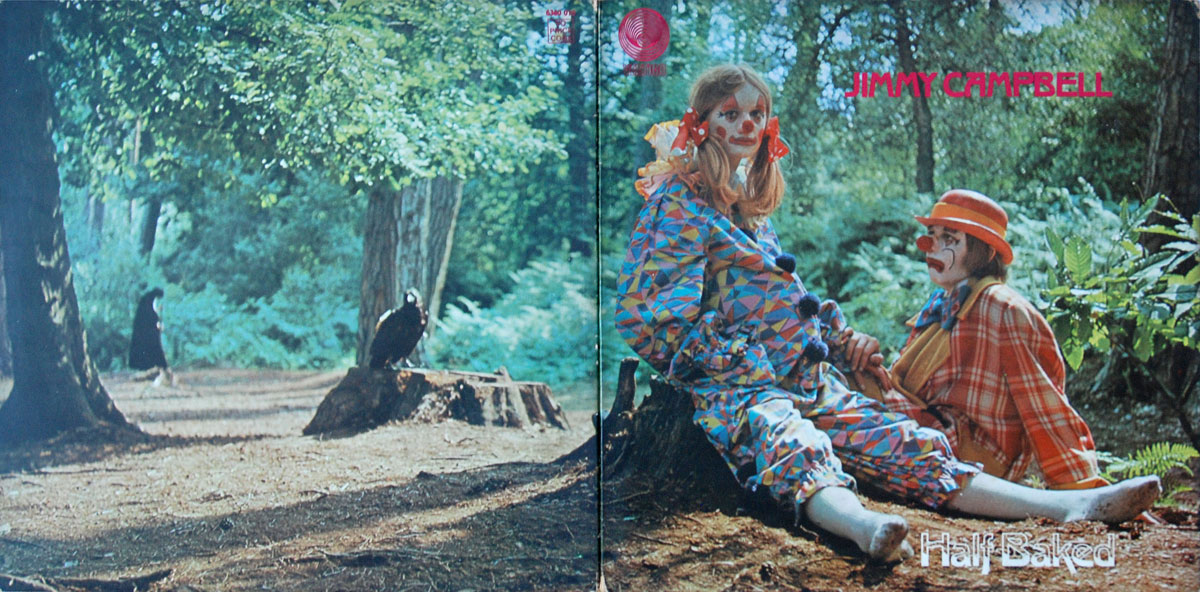
His work rarely featured the album artiste(s) and was often an obscure reference to an album track, or even a completely random, yet striking concept that (to outsiders at least) bore no reference to the album, artist or song titles at all! Particularly renowned for so called ‘false colour’ photography, his sleeves often depicted pink foliage instead of green, creating a surreal landscape.
Marcus Keef is a pseudonym. His real name is Keith Stuart MacMillan (b. 1947). He changed his professional name to ‘Marcus Keef’ to avoid any clash or confusion with the slightly older and established photographer Keith Lionel McMillan (b. 16 April 1934, d. 22 March 2012, aged 77). The older McMillan (pictured here)  shot for Vogue, Radio Times, Harpers & Queen, Time Out, The Sunday Times and became the first official photographer for Campaign magazine when it launched in 1968.
The younger MacMillan obviously decided that a pseudonym would avoid any potential work issues and ‘Keef’ is an obvious take on the Rolling Stones Keith ‘Keef’ Richards, whilst the ‘Marcus’ aspect is of unknown origin. He seems to have started his career around 1968, working predominantly with Vertigo, RCA (Neon) and CBS labels.
Here’s his known works so far – please let me know if anyone finds more:
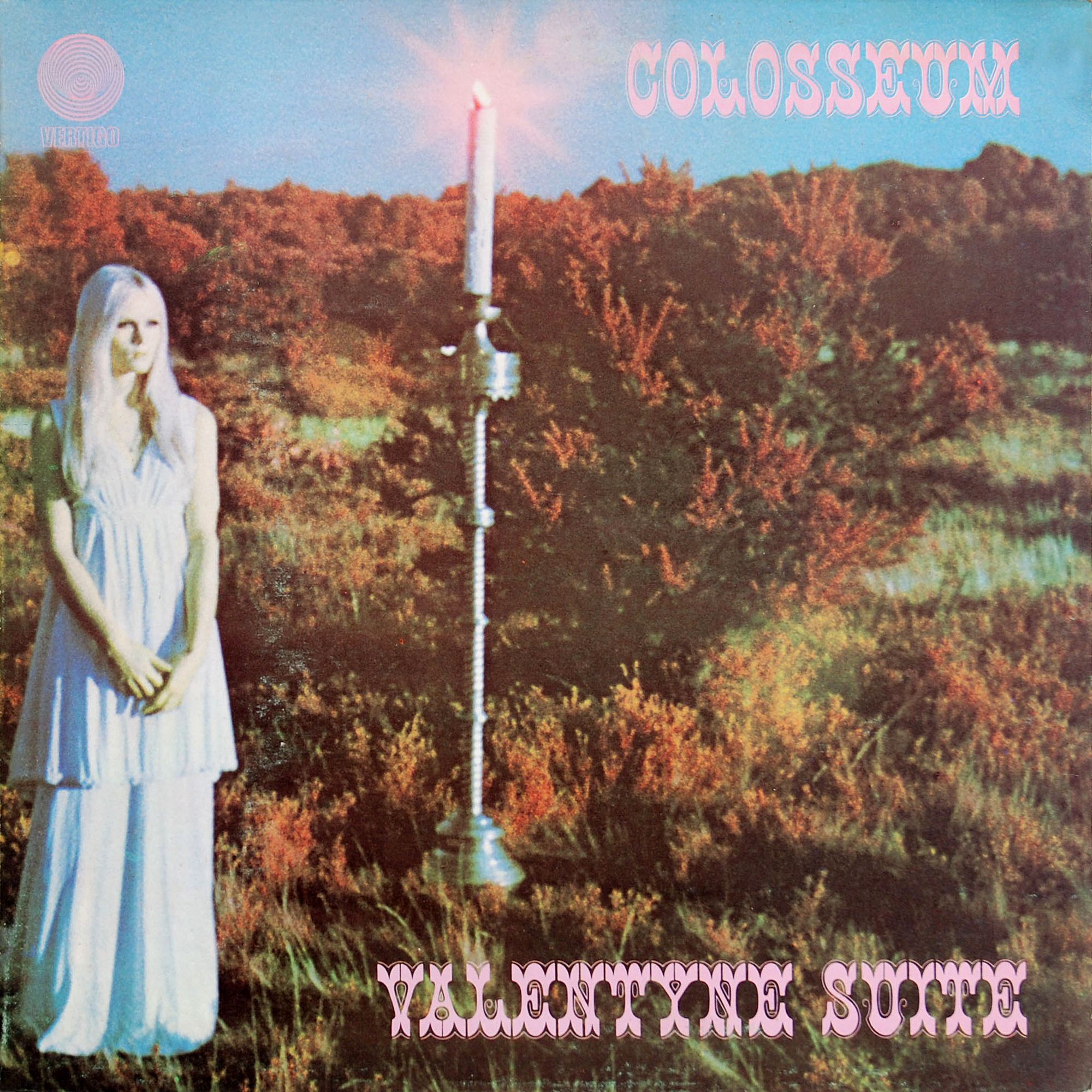


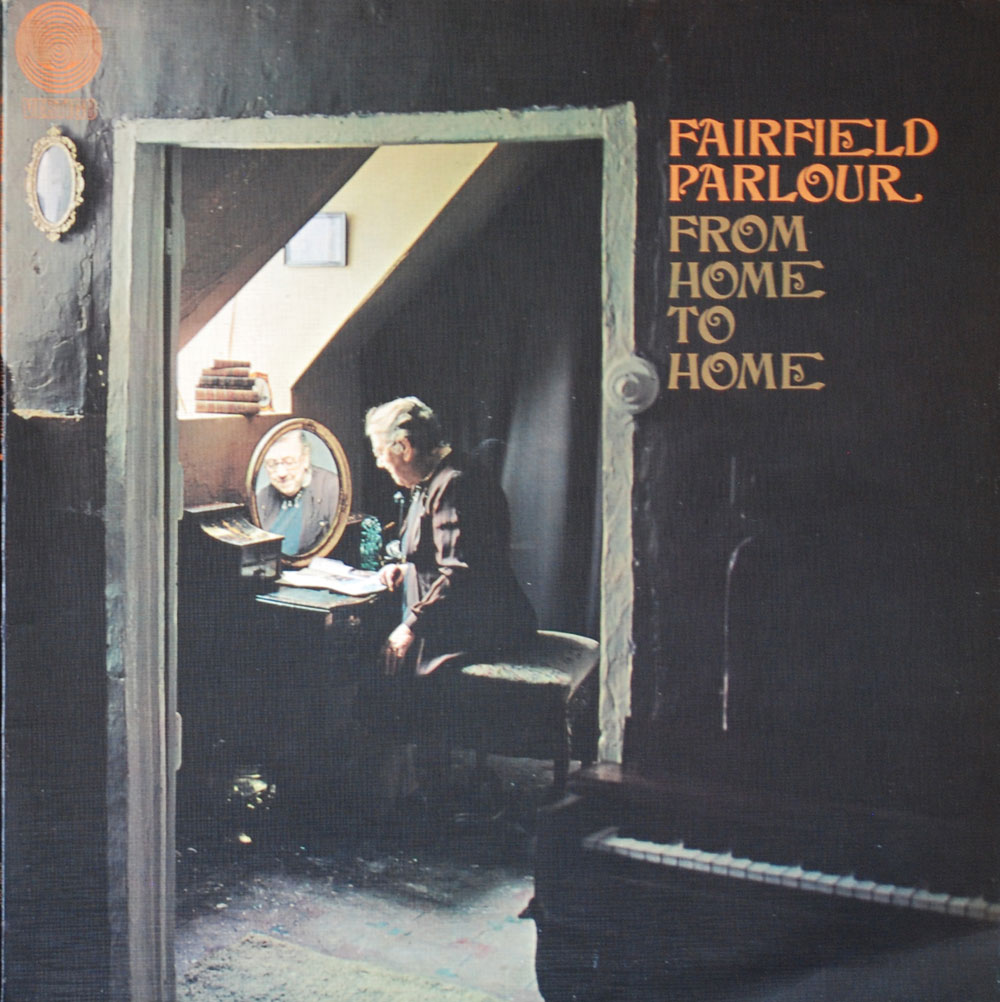

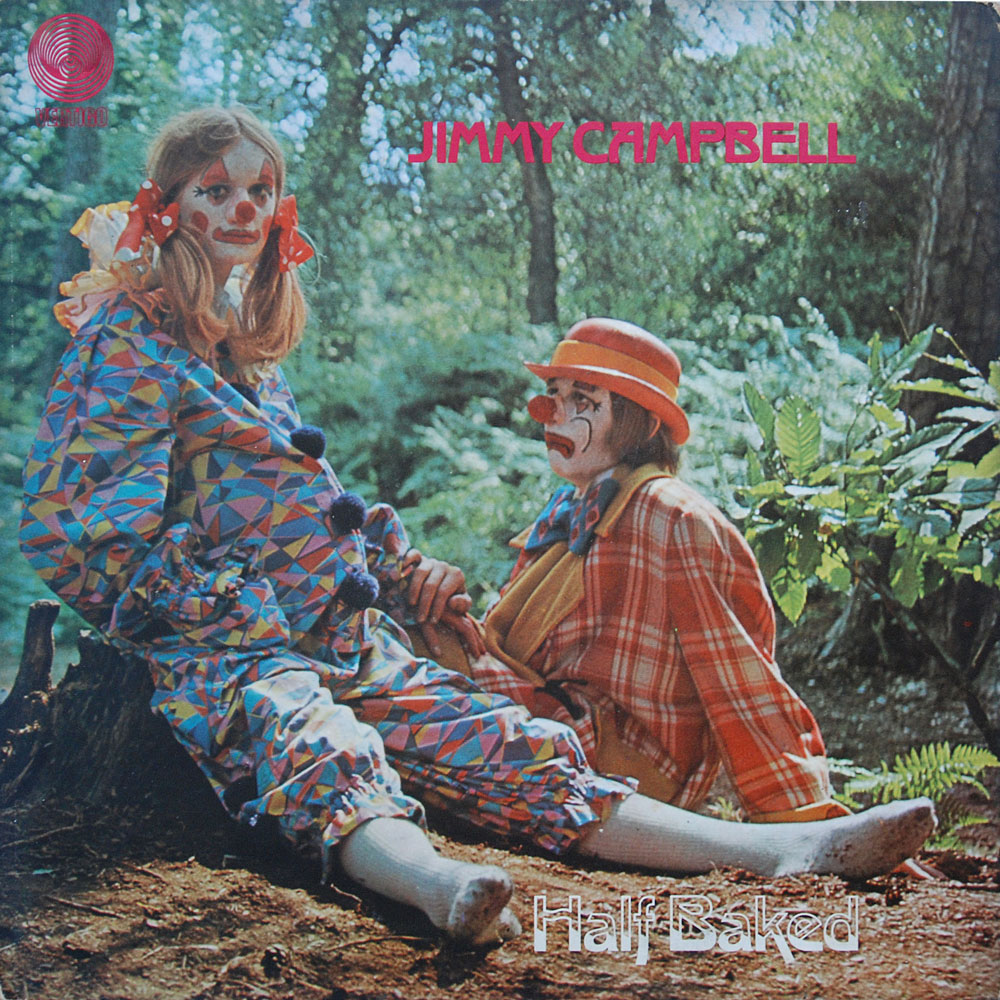

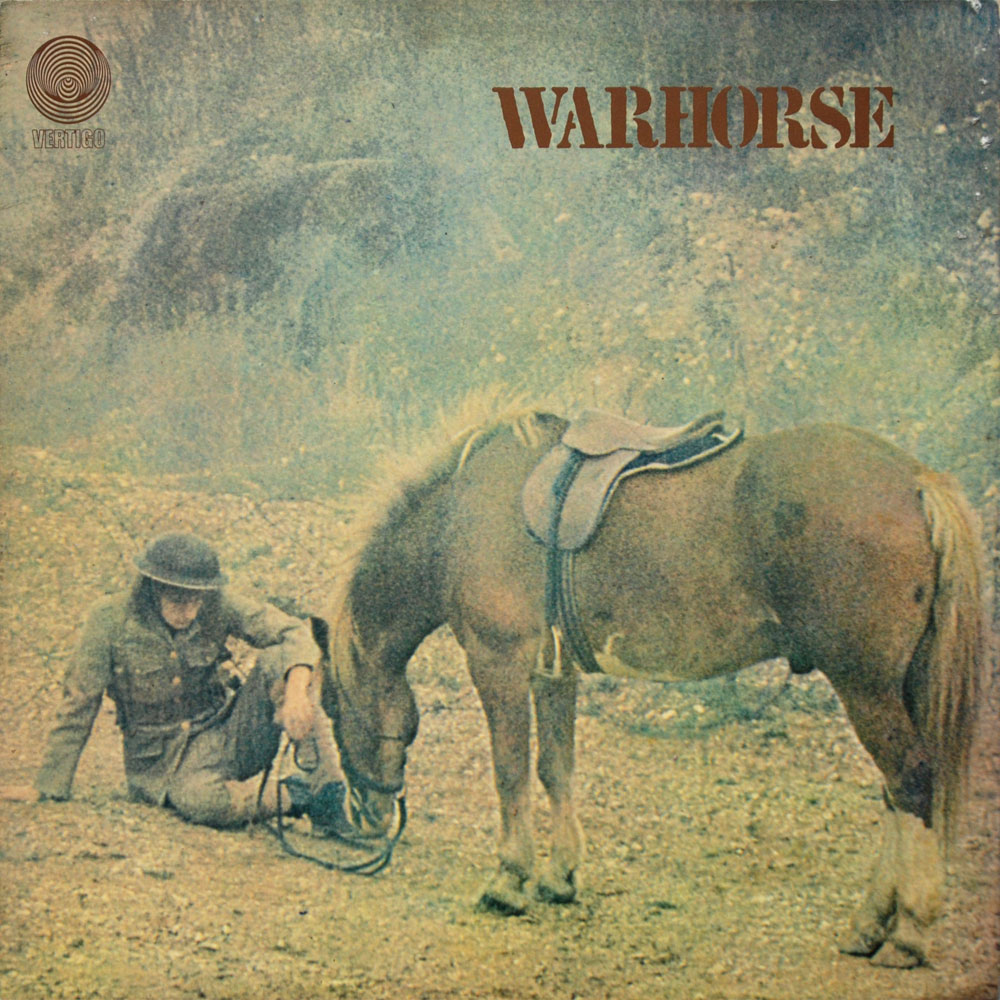

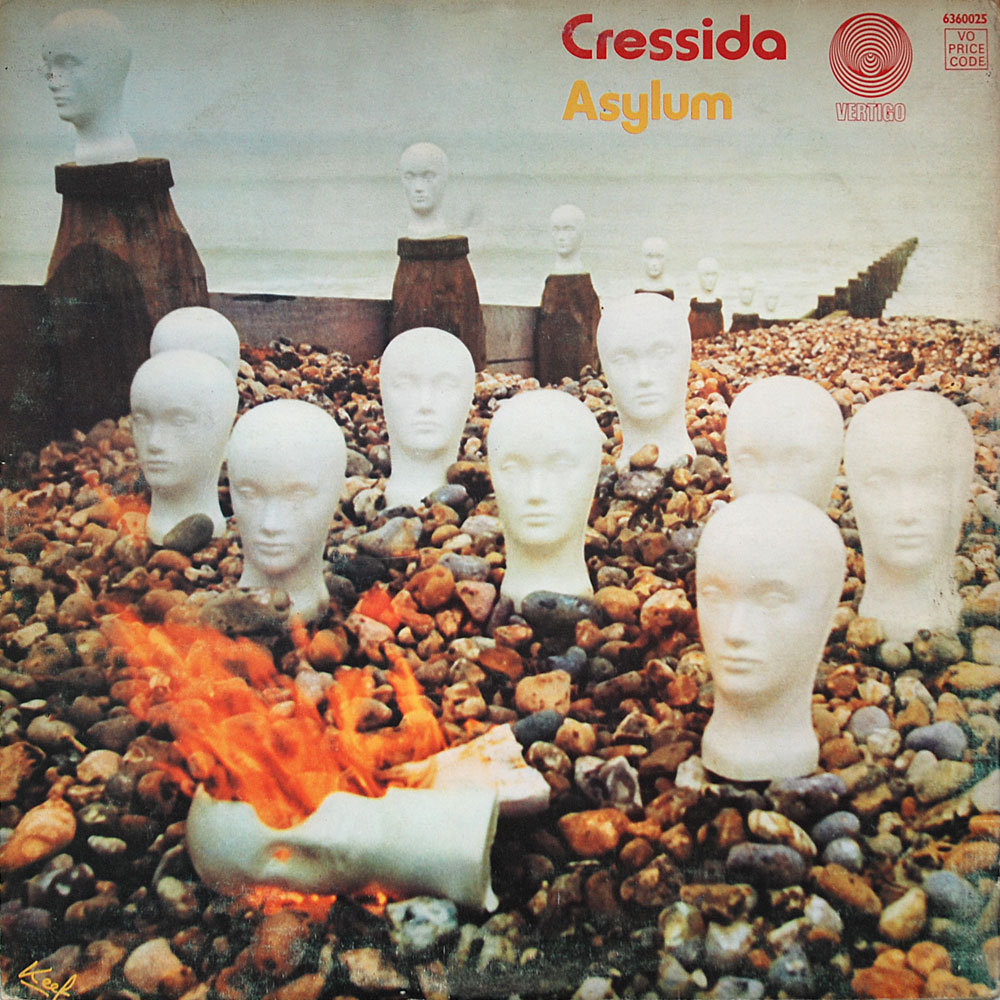

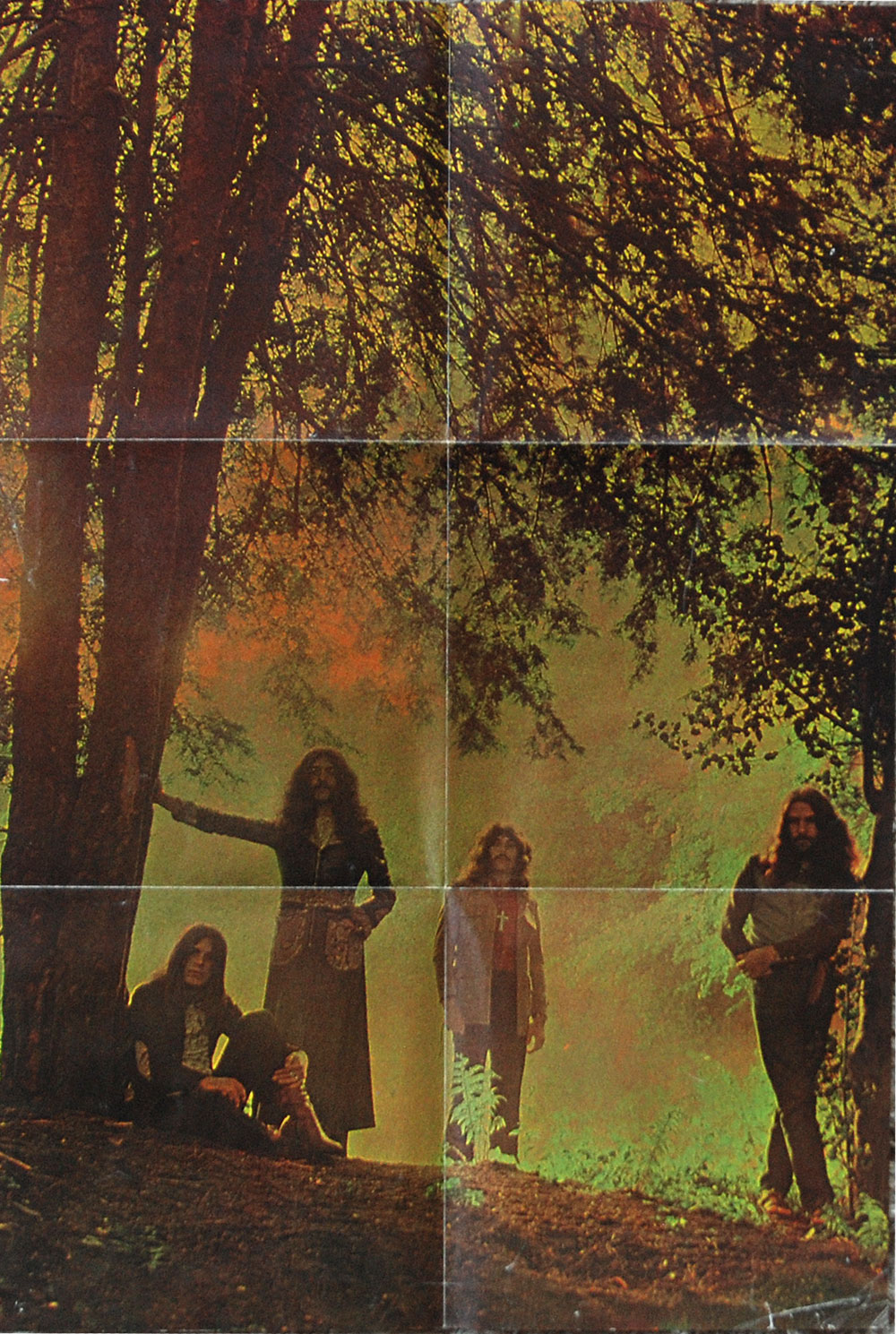
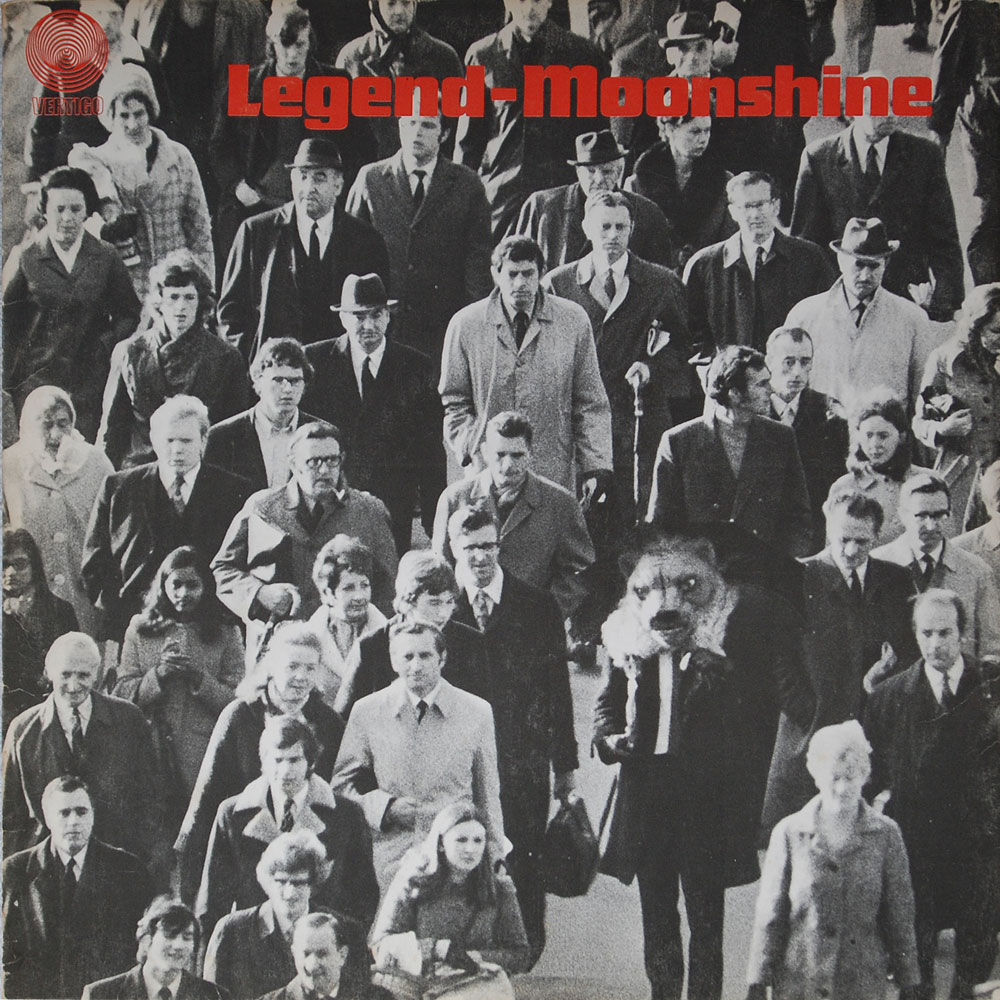

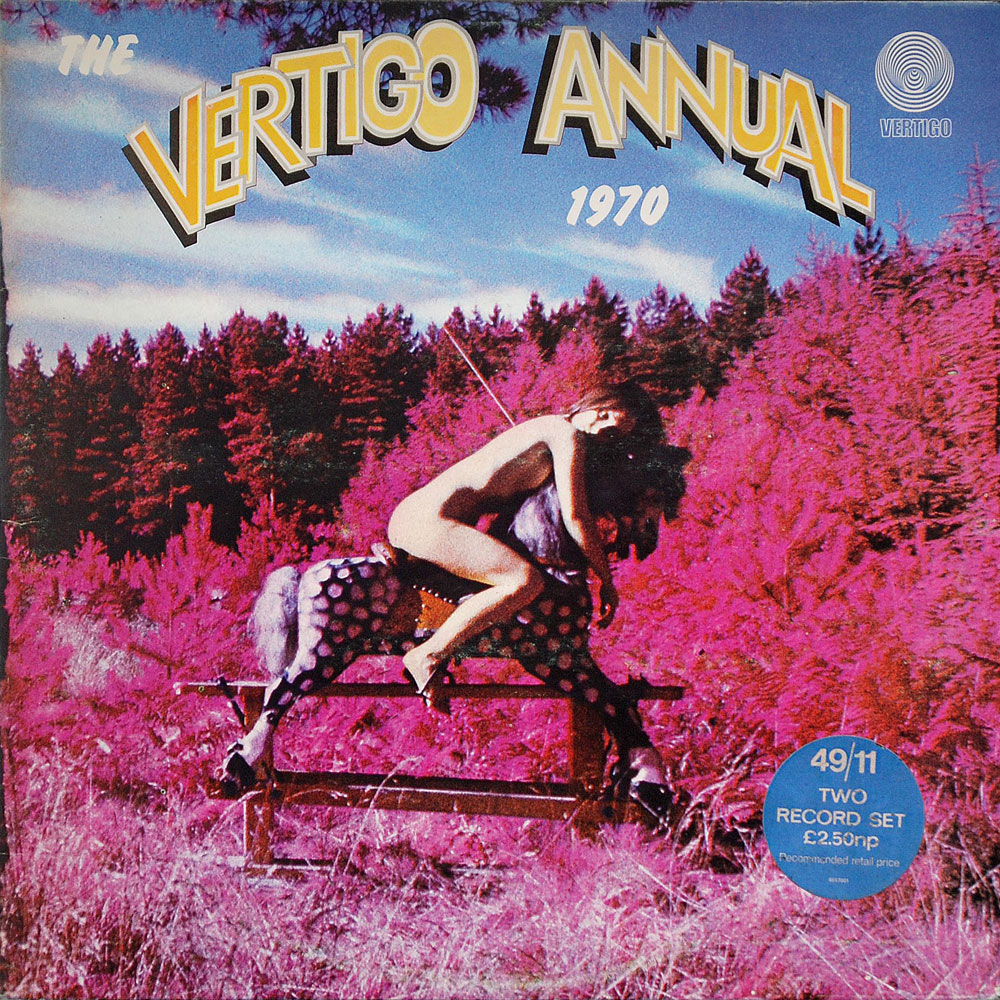

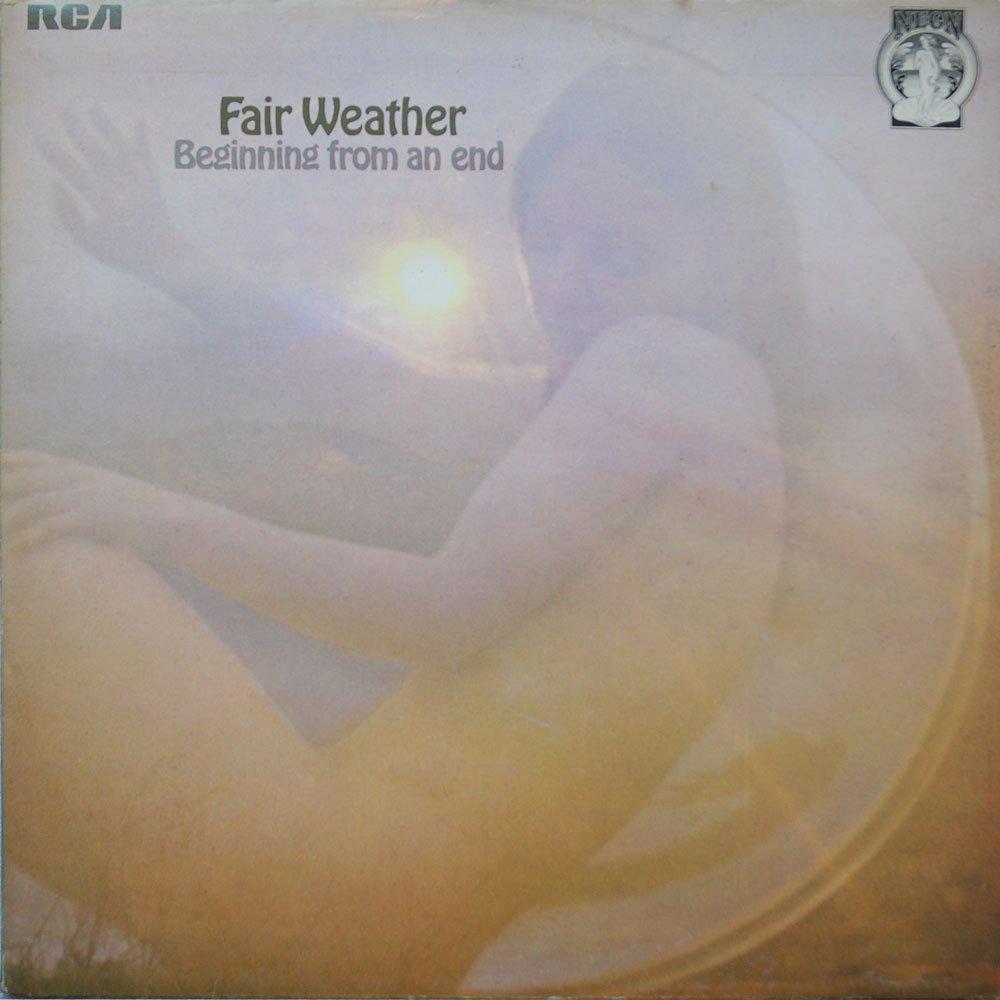


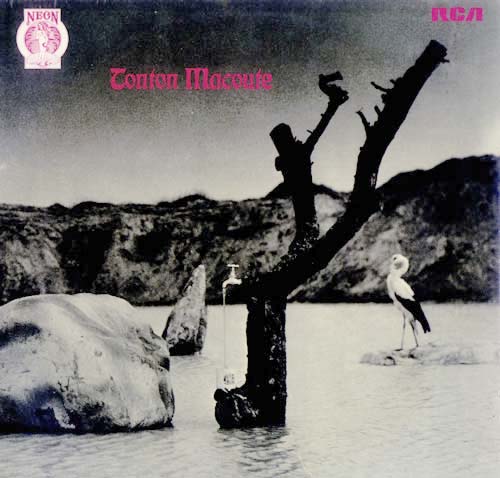

His album design work seems to stop around 1974/1975 (although my collection of his work seems to fade out by around 1972). And by then he seems to have lost interest, according to an interview he gave in 1979 during filming for a Kate Bush promo video (for the song “Wow”), TV and video production held a new interest for him after having apparently designed over 1,000 album covers for record companies…1,000?! I wonder whether this is a flippant exaggeration. Here’s the quote:
“I started in the business as a photographer and sleeve designer. About 1968 I started, I used to photo and design album sleeve covers and I did that for seven or eight years. I got a bit fed up doing that because I’d done basically over a thousand by then and I was just basically a little bored with it. And [I] really thought that the up and coming thing was film and specifically video tape for the music business.”
If it’s true, he was extremely prolific and would have been producing a new album design every 2-3 days non-stop for 7 years if he started in 1968/69…
He seems to have hit it off with Kate Bush as his earliest video work was the video for the No.1 single ‘Wuthering Heights’ in January 1978. According to the same interview, he started producing videos in 1977 and those first 2 years he’s made nearly 3 hundred…
“Well I started making video promotional films two years ago and up ’til now I think we’re nearing our three-hundredth production. I do seem to work very hard at the moment, I’ve been doing two or three a week. The problem is, as you’ve probably gathered, is keeping the ideas coming.”
He also states how quick the turnaround time is for these productions:
“I tend to shoot video tape rather then film, for a number of reasons. The “Wuthering Heights” clip that you saw, we set it up on a monday morning, we shot it in the afternoon, we edited all night, and it was ready for Top Of The Pops the next morning. Well, if you’d done that on film, I think it would’ve taken about six months of opticals in the lab to get to that stage. On video tape we can act very fast, the record companies like that because if a record breaks in the charts they phone me up and say, “Keef, we’re sending a motorcycle over with this record, can you do it tomorrow?” If I’m free, I say yes. I listen to the music overnight, we set the production up overnight, we do it, we shoot it, we edit it. In twenty-four hours you can have a complete finished production. “
Keith ‘Keef’ MacMillan’s video productions include Blondie, Queen, Abba, Pat Benatar, Paul McCartney, Blancmange, The Who…and Barry Manilow…!
In the mid 1980’s Keef decided to go into television and created The Chart Show which ran very successfully (initially on Channel 4 and then ITV) for 12 years. MacMillan then launched his own digital TV channel, Chart Show TV. He is the Chairman of CSC (Chart Show Channel) Media Group Limited and a director of several associated companies, all in the TV and video production industry.
This is the only photo I can find of him, taken in 2006 for an article on broadcastnow.co.uk

…including Manfred Mann, Jethro Tull, Rolling Stones, Fleetwood Mac and Ian Hunter:



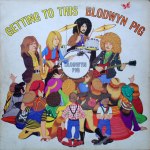
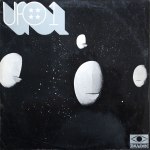
…featuring the 1970 debut LP from a pre-Michael Schenker UFO, Blodwyn Pig and a late 70s retrospective compilation from Steeleye Span:

just in case you’ve noticed a slight change in the url, it was decided to go for a custom domain name of rarerecordcollector.net, but don’t worry, the old .wordpress.com domain name simply redirects to the new one!
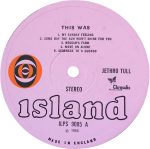
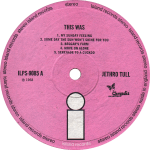
here we have the sleeves and labels for differentiation between the mono and stereo versions of “This Was” and also the later issue pink ‘i’ issue on ILPS 9085:

Superhype Music appears briefly on the 1st pressing label for Led Zeppelin’s debut album in 1969. And this is what helps identify 1st pressings to ardent Led Zeppelin collectors as the second pressing switched the publishing to Warner Bros. But just who were Superhype Music and where did they go? Here’s a brief summary of the publishing for Led Zeppelin:
Firstly, Superhype Music is the publishing company for self-penned Led Zeppelin songs and appears on the 1st album for a matter of a few weeks and then is replaced by Warner Bros./7 Arts. The cover song of “You Shook Me” was written by Willie Dixon and published by Jewel Music. Superhype does not make any further appearance on another Zeppelin album until the 4th Untitled one in 1971.
Publishing of original Led Zeppelin songs on 2nd and 3rd albums is handled by Warner Bros. Music. Note that this changes to Kinney Music on reissues of Led Zeppelin II and III. (This is because Kinney Music Group acquired the Atlantic label and Warner Bros in late 1970 which is why the previous catalogue numbering system changed to a ‘K’ prefix followed by 5 digits from 1972 onwards).
The 4th Untitled album is published by Kinney Music Ltd AND Superhype. It’s also the last Led Zeppelin album with the old catalogue numbering system and the so-called ‘red/plum’ label.
Despite the Kinney Music acquisition, “Houses Of The Holy” bizarrely goes back to Warner Music AND Superhype.
“Physical Graffiti” is published by JOANELINE MUSIC INC. Which suggests to me an American publishing company.
“Presence”, “In Through The Out Door” and even the previously unreleased original LZ tracks off “Coda” are published by Flames Of Albion Music.


I was recently asked a question about the validity of Superhype being used as a means of spotting 1st pressings…here’s the question:
“I’ve always had doubts concerning the order in which the various releases of this album actually appeared (1-Turqouise lettering on cover and Superhype credits on labels; 2-Orange lettering on cover and Warner credits on labels; 3-Orange lettering on cover and Superhype credits on labels).
The Superhype company was created at the end of 1968 and Led Zeppelin allegedly recorded their album in September of the same year. It is much likely that they initially gave the publishing rights to an already existing company like Warner and soon switched them to the newly created Superhype. Otherwise I can’t see the point of songs credited to Superhype, then to Warner and again to Superhype in just a few months.
In my opinion, the original pressing of this album is the one with orange lettering on the cover and the Warner credits; the turquoise lettering cover may well have been produced by mistake or as an intended variation of the design which was not well received and soon switched back to the original colour.
Hope you can give me further details.”
So, with a bit of digging around, here’s what I found.
Superhype Company Limited (now dissolved) was incorporated 22 October 1968 (according to UK Data.com). The registered address was at 91 TABERNACLE ST, LONDON, EC2A 4BA – now the offices of Joan Hudson & Co, Accountants…
Led Zeppelin recorded their debut album over a 4 week period during September and October 1968 at Olympic Sound Studios, London. (117 Church Road, London, SW13 9HL).
Album released 12 January 1969.
Page stated it took 36 hours of studio time recorded over a few weeks at a total cost of £1,782 (which equates to £49.50 per hour, although this was pre-decimalisation, so in reality it would have been £49 and 10 shillings per hour…!) In today’s money, the economic equivalent cost of that recording session would be around £57,000 (taking into account inflation, and other assumed increases in costs, equipment, resources, labour rates etc).
So the timing of the publishing rights assigned to Superhype does make sense…(to answer the initial query above).
With regards to finding a Superhype credited vinyl in an orange lettered sleeve, I think it is more likely to have been swapped or substituted over the years…or simply that once the production run of the turquoise sleeve was halted and replaced with the familiar orange one, any existing vinyls were placed in these new orange sleeves. The Warner credit was then (for some reason) introduced for the second pressing.
So why did Page, Plant, Bonham, Jones plump for Superhype…what with it being newly incorporated just as their debut album was being finished? The answer is quite simple. Even though Superhype Music is now dissolved as a company, there is another company in existence called Superhype Tapes Limited, the directors are James Patrick Page, born 1944, registered address is 91 Tabernacle Street, London…any of this sounding familiar?!!! …the other directors for Superhype Tapes Limited are Mr Robert Anthony Plant, Mr John Baldwin and Ms Joan Hudson. One would reasonably assume that the other original director of Superhype Music Ltd would have been one John Henry Bonham.
James Patrick Page is also a director of Flames Of Albion Music Limited (along with Baldwin, Plant, Hudson and one Susan Jacqueline Frankland Haile), Jimmy Page.com Ltd, Three P Films Ltd, (directors same as Superhype), Succubus Music Ltd (with Hudson and Haile), United Blag Productions Ltd (directors as Flames Of Albion), Classicberry Ltd (directors as Succubus), The Equinox Book Sellers and Publishers Ltd (with Hudson), Mythgem Ltd (directors as Superhype but also with Mrs Patricia Bonham).
They were also directors of three other companies now dissolved, Cap Ten Limited, C+P Eighty Six Limited and Langwest Limited.
Therefore, it looks like it was Page himself (along with making his band members co-directors) who founded Superhype back in 1968 in order to control his own publishing rights…which, given the future control Peter Grant managed to exercise over record deals, concert promoters, merchandise etc, this would make perfect sense to control as much of the artiste’s output (and also finances) as possible.
This company was founded in August 1961 at 45-51 WHITFIELD STREET, LONDON, W1P 5RJ. It was dissolved 28th August 1990. The company records (including directors etc) have been archived and are no longer freely available. Quite why this was used for “Physical Graffiti” publishing is unknown.
Following the incorporation of Swan Song as a record label to further give Led Zeppelin even more control over their music, they created yet another company – Flames Of Albion Music. Why they didn’t use Superhype any longer is a mystery…
Flames of Albion Music is registered to 91 TABERNACLE STREET, LONDON EC2A 4JN – same as Superhype (see above) – the offices of Joan Hudson, Accountants. Here’s the street view (thanks Google) of the seemingly modest office address of the Led Zeppelin empire…

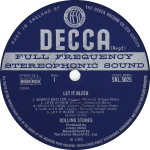
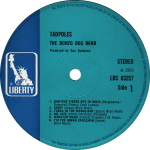
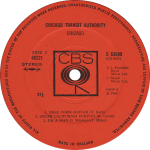
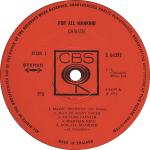
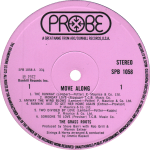
…featuring an eclectic mix of updates and additions to the two-tone blue Liberty label (Bonzo Dog Band), a couple of additions to the orange CBS collection (Chicago Transit Authority and Christie’s “For All Mankind”), the Rolling Stones classic LP “Let It Bleed” on the sought after red mono label, a couple of additions to Probe label (both the early black and silver style and the later pink label) and finally Fairport Covention’s “Unhalfbricking” on pink Island, showing both 1st and 2nd press editions:



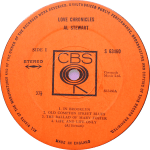
…featuring Traffic’s ‘Mr Fantasy’ album from 1967 on the mono pink Island label, Sandy Denny’s first LP (also from 1967) reissued on the Mooncrest label and Al Stewart’s ‘Love Chronicles’ from 1969:


 Rare Record Collector